
What Is a Dental Implant Abutment? A Guide for Lexington, KY Patients
A dental implant is more than a single artificial tooth. It is a carefully designed system made from several components that work together to replace a missing tooth from the root upward.
One of the most important components is the dental implant abutment. The abutment connects the implant post inside the jawbone to the crown, bridge, or denture visible above the gums.
Understanding what an abutment does, when it is placed, and how it affects the appearance and function of your restoration can help you feel better prepared for implant treatment.
If you are considering dental implants in Lexington, KY, Bluegrass Dentistry can evaluate your oral health and develop a treatment plan based on your anatomy, needs, and goals.
What Is an Abutment in Dental Implants?
A dental implant abutment is the connector between the implant post and the replacement tooth.
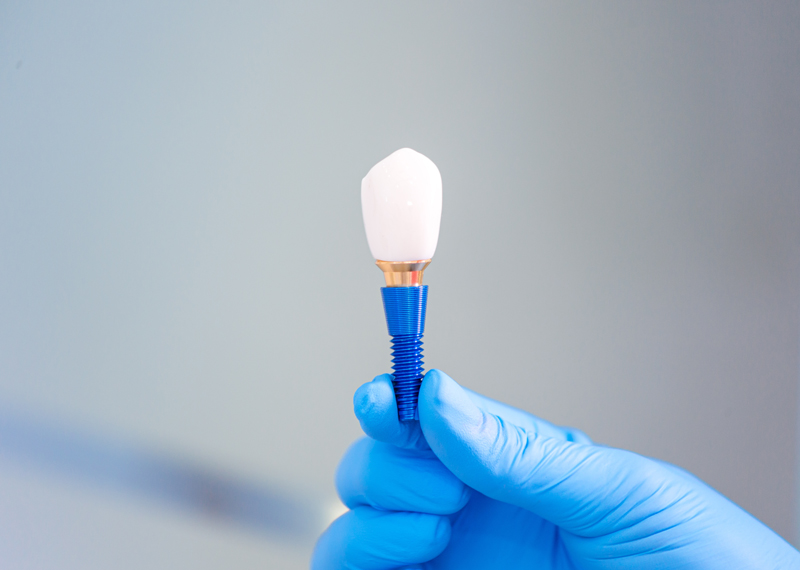
The implant itself is placed within the jawbone and acts as an artificial tooth root. The abutment attaches to the top of that implant and extends through or slightly above the gum tissue. A crown, bridge, or implant-supported denture is then secured to the abutment.
In simple terms, the three primary parts of a single-tooth dental implant are:
- The implant post: The portion placed in the jawbone
- The abutment: The connector between the post and the visible tooth
- The crown: The custom replacement tooth seen above the gums
Each component has a different purpose. The implant provides stability, the abutment creates the connection, and the crown restores the appearance and chewing surface of the missing tooth.
For a visual explanation, visit our guide to the parts of a dental implant.
What Does a Dental Implant Abutment Do?
The abutment has several important responsibilities within an implant restoration.
It Connects the Implant to the Restoration
The abutment creates a stable connection between the implant inside the bone and the crown, bridge, or denture above the gums. Without it, the final replacement tooth would not have the support needed to remain securely attached.
It Supports Biting and Chewing Forces
When you bite or chew, pressure travels from the crown through the abutment and into the implant and jawbone. The abutment must be strong enough to handle these daily forces without loosening or fracturing.
It Helps Shape the Gum Tissue
The design of the abutment can influence how the gum tissue forms around the final tooth. A properly shaped abutment can help create a natural transition between the crown and the gums.
It Affects the Final Appearance
The height, shape, angle, and material of the abutment can affect how natural the finished restoration looks. This is especially important when replacing a front tooth or treating an area that is visible when you smile.
What Are Dental Implant Abutments Made From?
Abutments are commonly made from titanium or zirconia. The best material depends on the location of the implant, the available space, the thickness of the gum tissue, bite forces, and aesthetic considerations.
Titanium Abutments
Titanium is widely used because it is strong, durable, and biocompatible. It has a long clinical history and is commonly selected for implants in both the front and back of the mouth.
A possible drawback is that the gray color may become visible through thin gum tissue in highly aesthetic areas. The dentist must consider tissue thickness and crown design when deciding whether titanium is appropriate.
Zirconia Abutments
Zirconia is a tooth-colored ceramic material that may offer an aesthetic advantage when placed beneath thin or translucent gums. It is often considered for front teeth where the appearance of the gumline is especially important.
However, zirconia may not be suitable for every location or bite. Your dentist will consider strength requirements and implant position before recommending it.
Hybrid Abutments
Some restorations use an abutment that combines a titanium base with a zirconia or ceramic upper portion. This design can provide the strength of a titanium connection with the aesthetic benefits of a tooth-colored material.
Stock vs. Custom Dental Implant Abutments
Dental implant abutments may be prefabricated or custom-made.
Stock Abutments
A stock abutment is manufactured in standardized sizes and shapes. It may be appropriate when the implant is positioned favorably and the surrounding gum tissue does not require extensive customization.
Potential advantages include:
- Lower laboratory costs in some cases
- Faster availability
- A range of standard sizes and angles
- Reliable use in straightforward situations
Because the shape is standardized, a stock abutment may require adjustment and may not provide the ideal tissue contour in every case.
Custom Abutments
A custom abutment is designed specifically for an individual implant site using a digital scan or impression. Its shape can be tailored to the implant position, gumline, neighboring teeth, and final crown.
Potential advantages include:
- A more precise fit for the individual implant site
- Better control over the gumline and emergence profile
- Improved support for a natural-looking crown
- Greater flexibility when implant positioning is complex
- Customized material and design choices
A custom abutment may be particularly useful for front teeth, implants placed at an angle, or cases requiring detailed aesthetic planning.
What Is a Healing Abutment?
A healing abutment, sometimes called a healing cap, is a temporary component used while the gum tissue heals around an implant.
It attaches to the implant and extends above the gums, helping prevent the tissue from completely covering the implant connection. It can also guide the gums into an appropriate shape before the final restoration is placed.
A healing abutment is not the same as the permanent abutment that supports the final crown. It is generally removed once the implant and soft tissues are ready for the restorative phase.
When Is the Dental Implant Abutment Placed?
The timing of abutment placement depends on the treatment plan and the implant’s stability.
Abutment Placement During Implant Surgery
In a one-stage procedure, the implant is placed, and a healing abutment is attached during the same appointment. The healing abutment remains visible above the gum tissue while the implant integrates with the bone.
Abutment Placement After Healing
In a two-stage procedure, the implant is initially covered by the gums during healing. After osseointegration, a minor procedure is completed to uncover the implant and attach a healing or permanent abutment.
Immediate Temporary Restoration
Some patients may qualify for a temporary crown or bridge on the day the implant is placed. This approach requires sufficient initial implant stability and careful control of biting forces.
Immediate placement or immediate restoration is not appropriate in every situation. Your dentist will determine the safest timing based on bone quality, implant stability, infection, bite forces, and the location of the missing tooth.
The Dental Implant and Abutment Process
Dental implant treatment usually involves several carefully planned stages.
1. Consultation and Three-Dimensional Imaging
Your dentist begins by examining your teeth, gums, bite, and jawbone. A CBCT scan may be used to evaluate bone volume and identify the position of nearby nerves, sinuses, and tooth roots.
The evaluation also includes a review of your medical history, medications, tobacco use, and any conditions that may affect healing.
2. Preparatory Treatment
Some patients need additional treatment before implant placement. This may include:
- Tooth extraction
- Bone grafting
- Sinus augmentation
- Treatment for gum disease
- Management of an existing dental infection
In certain cases, an extraction, bone graft, and implant may be completed during the same appointment. Other situations require a separate healing period.
3. Placement of the Implant
The implant post is surgically positioned in the jawbone according to the treatment plan. Local anesthesia is used, and sedation options may be available to help improve comfort.
Bluegrass Dentistry uses CBCT imaging, digital planning, and custom surgical guides for appropriate cases. These tools help the clinical team plan the implant’s position, depth, and angle before surgery.
4. Osseointegration
After placement, the implant needs time to bond with the surrounding bone. This biological process is called osseointegration.
Healing time differs by patient and may be influenced by:
- Bone quality
- The implant location
- Whether bone grafting was completed
- Overall health
- Tobacco use
- Implant stability
- Following post-operative instructions
Learn more about this phase in our guide to recovery after dental implant surgery.
5. Abutment Placement
Once the implant is stable, the healing abutment or permanent abutment is placed. A digital scan or impression may then be taken to record the position of the implant and the surrounding tissues.
6. Crown, Bridge, or Denture Placement
The final restoration is fabricated and attached to the abutment. Your dentist checks the fit, bite, appearance, contact with neighboring teeth, and condition of the surrounding gums.
The restoration may be secured with a screw or dental cement, depending on its design and location.
Screw-Retained vs. Cement-Retained Implant Crowns
An implant crown can be connected to the abutment in different ways.
Screw-Retained Crowns
A screw-retained crown is attached through a small access opening in the biting surface or back of the tooth. The opening is sealed with a tooth-colored material after the crown is secured.
A major advantage is retrievability. The dentist may be able to remove the crown for maintenance, repair, or evaluation without damaging it.
Cement-Retained Crowns
A cement-retained crown is bonded over the abutment in a manner similar to a traditional crown placed on a natural tooth.
This option may provide aesthetic or positioning benefits in certain cases. However, excess cement must be removed carefully because retained cement beneath the gumline can contribute to inflammation around the implant.
The recommended design depends on implant position, available space, aesthetic demands, and the dentist’s ability to maintain and retrieve the restoration.
Does Abutment Placement Hurt?
Local anesthesia is generally used if gum tissue must be opened or adjusted during abutment placement. Patients may feel pressure during the procedure but should not feel sharp pain.
Some tenderness or mild swelling may occur afterward, particularly if the implant needed to be uncovered. Discomfort is generally temporary and can often be managed using the instructions provided by the clinical team.
Patients concerned about discomfort can read more about what dental implant treatment feels like.
Potential Dental Implant Abutment Problems
Implant abutments are designed to withstand normal biting forces, but complications can occur.
Loose Abutment Screw
The screw connecting the abutment to the implant may loosen because of excessive bite forces, teeth grinding, an improper fit, or repeated stress.
Contact your dentist if the crown feels loose, moves when touched, or makes a clicking sensation. Continuing to chew on a loose restoration may damage the screw or other components.
Abutment Fracture
An abutment can fracture under excessive pressure or material fatigue. Risk may be higher in patients who grind their teeth or place heavy forces on the restoration.
Gum Inflammation
Plaque, trapped cement, or difficulty cleaning around the restoration can cause redness, swelling, or bleeding. Without treatment, inflammation may progress and affect the bone around the implant.
Poor Gumline Appearance
An abutment that does not match the shape of the implant site may create an unnatural crown contour or gumline. Custom abutments and digital planning can improve control in aesthetically demanding cases.
Food Trapping
An incorrect crown or abutment contour may leave spaces where food becomes trapped. Your dentist may need to evaluate the contacts, gumline, or shape of the restoration.
How Do You Care for an Implant Abutment?
A dental implant cannot develop a cavity, but the surrounding gums and bone can still become inflamed or infected.
To protect the implant and abutment:
- Brush at least twice each day
- Clean carefully along the gumline
- Floss around the implant as instructed
- Use an interdental brush or water flosser when recommended
- Attend regular examinations and professional cleanings
- Avoid using the implant crown to bite hard objects
- Wear a nightguard if you grind or clench your teeth
- Avoid smoking and other tobacco products
Notify your dentist if you notice bleeding, swelling, persistent discomfort, a bad taste, gum recession, or movement of the restoration.
How Long Do Implant Abutments Last?
A well-designed implant abutment can remain functional for many years. Its longevity depends on the material, implant position, bite, home care, gum health, and maintenance.
The implant post, abutment, and crown have different service lives. The implant may remain stable, while a crown, screw, or abutment may eventually need repair or replacement due to normal wear or changes in the bite.
Regular dental visits allow the clinical team to check the implant connection, surrounding gums, bone levels, and the condition of the restoration. Read more about how long dental implants can last.
Why Detailed Implant Planning Matters
The appearance and function of a dental implant depend on more than the strength of the implant post. The implant must be positioned so the abutment and crown can emerge from the gums naturally and support a balanced bite.
If an implant is placed too far toward the cheek, tongue, or neighboring tooth, it can make the restorative phase more difficult. Digital planning helps the dentist consider the final crown before selecting the surgical position.
Bluegrass Dentistry uses a restoratively driven approach in which the desired final result helps guide implant placement. Appropriate cases may include three-dimensional CBCT imaging, digital scans, virtual planning, guided surgery, and customized restorations.
Why Choose Bluegrass Dentistry for Implant Care?
Bluegrass Dentistry provides the surgical and restorative stages of dental implant care at one Lexington practice. Keeping treatment within a coordinated team can simplify communication between implant placement, abutment design, restoration, and follow-up care.
Dr. Seth Chambers has pursued advanced training in implant placement, full-mouth rehabilitation, digital dentistry, and restorative treatment. His approach considers both the surgical foundation and the appearance and function of the finished teeth.
Depending on the case, treatment may include:
- CBCT imaging
- Digital impressions
- Computer-guided implant surgery
- Bone grafting
- Custom abutments
- Temporary restorations
- Single implant crowns
- Implant-supported bridges
- Full-arch implant restorations
Patients replacing several or all their teeth can also review our full-mouth dental implant options.
Schedule a Dental Implant Consultation in Lexington, KY
If you have a missing tooth or an implant restoration that feels loose, uncomfortable, or difficult to clean, a detailed evaluation can help identify the appropriate next step.
Bluegrass Dentistry provides comprehensive dental implant planning, surgery, restoration, and maintenance in Lexington, Kentucky. Our team will explain the implant components, available treatment options, expected timeline, and estimated costs before care begins.
Contact Bluegrass Dentistry to schedule your dental implant consultation or call our new-patient team at (859) 251-2866.